
Lifestyle
The Dark Side Of NMN Supplements Nobody In The Longevity Industry Talks About


The longevity industry has grown rapidly over the past decade, fueled by a mix of scientific curiosity, technological advancement, and an increasing cultural focus on optimization. At the center of this movement are compounds like NMN, often promoted as a way to support cellular health, boost energy, and slow aspects of the aging process. The appeal is obvious: not just living longer, but performing better for longer.
But as with many fast-growing industries, the pace of adoption has begun to outstrip the pace of understanding. While early research on NMN is promising, long-term human studies remain limited. Much of the enthusiasm is driven by preliminary findings, animal studies, and extrapolated data rather than definitive clinical outcomes. This creates a gap between expectation and evidence—one that isn’t always clearly communicated.
There’s also the issue of regulation. Unlike pharmaceutical products, supplements often operate in a less tightly controlled environment. This can lead to inconsistencies in quality, dosage, and formulation across different brands. For consumers, this means navigating a market where not all products are created equal, and where claims can sometimes exceed what is scientifically validated.
At a deeper level, the rise of NMN reflects a broader shift in mindset. Aging is no longer viewed as an inevitable process to be accepted—it’s something to be managed, optimized, even challenged. This can be empowering, but it can also create pressure. The idea that one can—or should—continuously improve biological performance can lead to overconsumption, unrealistic expectations, and a constant search for the next breakthrough.
None of this invalidates the potential of NMN or the broader longevity movement. But it does highlight the importance of balance. Innovation requires curiosity, but it also requires caution. In a space where the stakes are as personal as health and time, the most valuable approach may not be chasing every new solution—but understanding which ones are truly worth trusting.

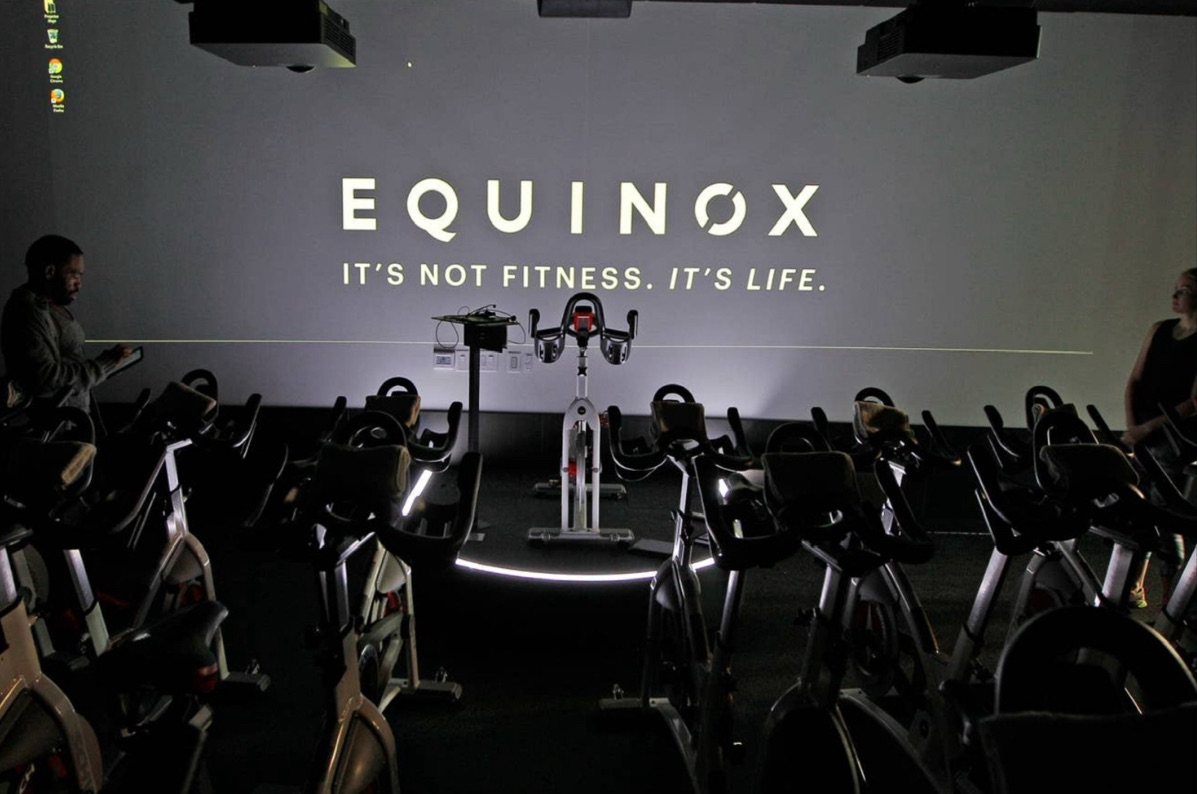
Equinox has positioned itself as more than a fitness provider—it operates as a lifestyle brand that blends wellness with exclusivity. Its pricing, locations, and branding are designed to signal a specific level of access and identity.
This strategy reflects a broader trend within the fitness industry, where perception often drives value. Consumers are not just investing in workouts—they are investing in environments that align with how they want to be seen.
The success of this model highlights an important shift: fitness is no longer purely functional. It is cultural, social, and aspirational. And brands that understand this dynamic are able to command premium positioning in an increasingly competitive market.

Artificial intelligence is rapidly advancing within healthcare, offering faster diagnostics and data-driven insights that can, in some cases, outperform less experienced physicians. This shift is beginning to influence how decisions are made in clinical environments.
The efficiency of AI is undeniable. It processes vast datasets, identifies patterns, and delivers consistent outputs without fatigue. However, the growing reliance on technology raises important questions about judgment, accountability, and the role of human expertise in medicine.
Healthcare has always balanced science with human intuition. As AI becomes more integrated, maintaining that balance becomes increasingly complex. The challenge is not whether technology should be used—but how it can be implemented without diminishing the human element that defines patient care.

The resurgence of bold, expressive beauty trends in 2026 may appear innovative—but much of it is rooted in repetition. Shows like Euphoria have reintroduced aesthetics that have existed for decades, reframing them through modern storytelling and visual culture.
What’s changed isn’t the trend—it’s the presentation. Social media amplification, influencer culture, and high-production visuals have transformed familiar styles into viral moments. Glitter, dramatic eyeliner, and experimental looks are not new concepts; they’re rebranded experiences.
This pattern reveals a deeper industry truth: innovation is often less about creating something new and more about repositioning what already exists. In a content-driven world, the brands and creators who succeed are those who can make the familiar feel original again.

Ziggy Zeigler set to Delivers the Performance That Could Change How America Sees Live Music Again

Amplifying Real American Voices: Julio Gonzalez’s Vision for the Future of RAV

How Airbnb Is Expanding Into The Global Wellness And Experience Economy

The Endgame Is Coming: Why Netflix’s Final Season of Stranger Things Is About More Than Monsters

Jeff Bezos’ Space Logistics Empire Is the Next Billion-Dollar Playground

The Rise of Perplexity AI and the New Search War Nobody Saw Coming
Ziggy Zeigler set to Delivers the Performance That Could Change How America Sees Live Music Again
Amplifying Real American Voices: Julio Gonzalez’s Vision for the Future of RAV
How Airbnb Is Expanding Into The Global Wellness And Experience Economy
-
 Entertainment6 months ago
The Endgame Is Coming: Why Netflix’s Final Season of Stranger Things Is About More Than Monsters
-
 Business6 months ago
Jeff Bezos’ Space Logistics Empire Is the Next Billion-Dollar Playground
-
 Tech6 months ago
The Rise of Perplexity AI and the New Search War Nobody Saw Coming
-

 Tech6 months ago
AI Regulation Is Coming—and Big Tech Is Nervous for a Reason
-

 Business5 months ago
Dwayne Johnson’s Studio Leverage Test: When Star Power Meets Corporate Reality
-

 Entertainment5 months ago
Ryan Reynolds and the Art of Backend Profits: Star Power as Equity
-

 Business5 months ago
Chris Hemsworth’s Furiosa Press Tour Sparks Hollywood and Fashion Buzz
-

 Business5 months ago
Emma Stone’s Awards Momentum: Risk‑Taking Roles Redefine Leading Ladies