
Music
Roc Nation Is Quietly Making Millions — And Everyone in the Industry Is Watching

Roc Nation isn’t just a label anymore — insiders say it’s a money-printing machine disguised as a music company, and somehow, no one’s complaining. Sources tell us the team is quietly dropping tracks, signing artists, and lining up collaborations in a way that makes the charts almost feel like an afterthought.
“They’re insane behind the scenes,” one producer laughed. “You think you’re just making a song, but by the time Roc Nation touches it, it’s like a full-blown campaign—beats, visuals, social media, every little clip. And yes, the numbers? They explode.” Apparently, some tracks from early 2026 racked up millions of streams in days, before anyone even had a proper rollout.
The company has a reputation for spotting rising talent and pairing them with the right producers, the right collaborators, and the right hype—without ever looking desperate. “It’s like they have a sixth sense for what the public will go crazy for,” a studio insider said. “And they do it without shouting from billboards or press junkets. The cool factor is off the charts.”
Fans and competitors alike are buzzing. Social media reactions are flying, snippets are going viral, and yet Roc Nation barely acknowledges the chaos. One insider joked, “They let the tracks do the talking. Meanwhile, other labels are screaming into microphones, and Roc Nation is quietly cashing checks.”
And the whispers keep coming—secret collabs, surprise drops, and projects that could redefine pop and hip-hop in 2026. While everyone else is chasing trends, Roc Nation is quietly building an empire, one hit at a time, and no one really knows their next move.

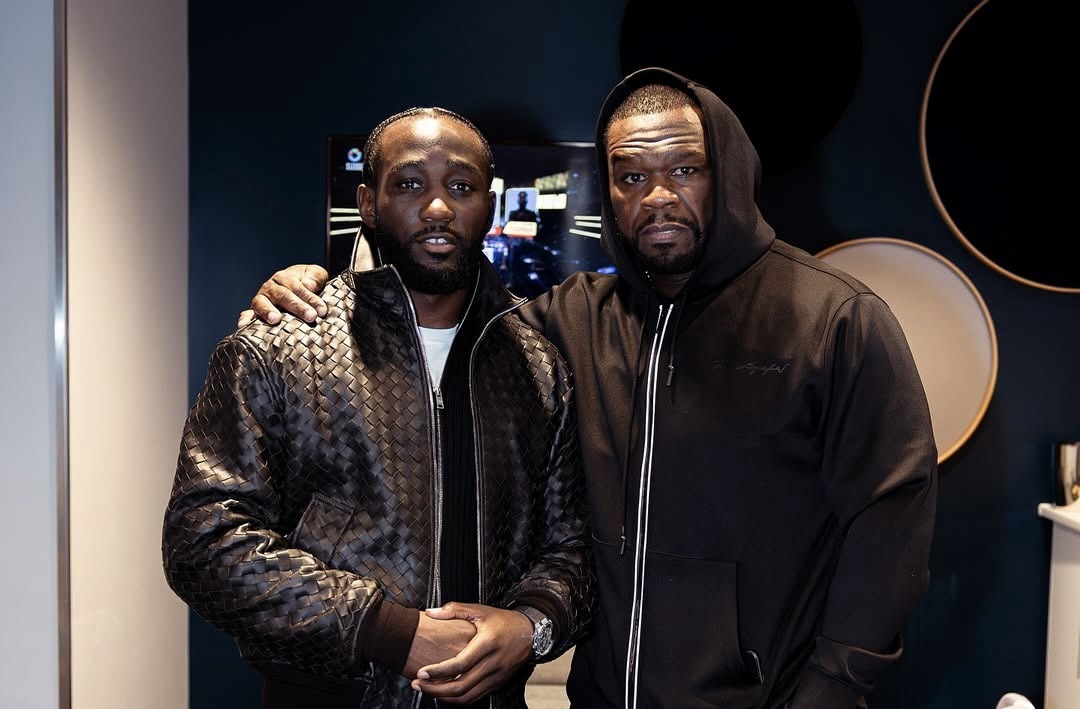
Biggie once said the key to wealth is ownership, and few artists have exemplified that better than 50 Cent. Pivoting from rap superstardom to television titan, his role as executive producer on Power turned a hit show into a content universe that earns recurring revenue.
50’s business playbook goes beyond music or movies — it’s about creating properties that outlive release dates. In a media landscape hungry for serialized content, his production success proves that long‑term enterprise sometimes starts with seeing the bigger narrative arc beyond the camera.
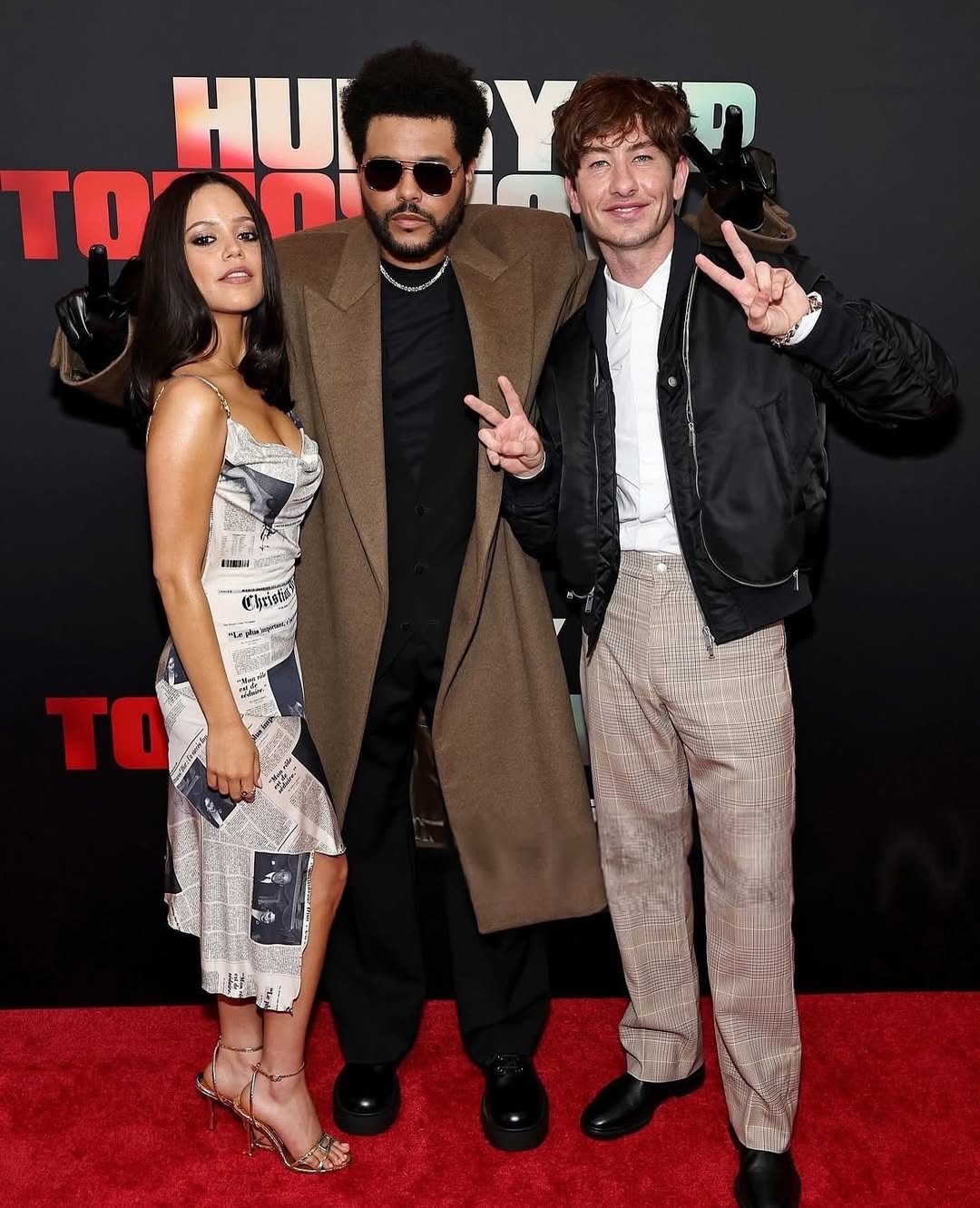
Abel Tesfaye, aka The Weeknd, is doing something bold: he’s closing one of the most influential chapters in modern pop and R&B — and he’s doing it on his terms. After years of defining the sound of heartbreak, nightlife, and neon-soaked obsession, he’s signaling that the era of After Hours escapism is officially coming to an end.
It’s not just about music. It’s about narrative control. From Starboy to Dawn FM, The Weeknd turned his albums into cinematic experiences, crafting a persona of shadowed glamour and emotional intensity. But now, every hint in his visuals, interviews, and social media suggests he’s deliberately leaving that era behind — and forcing fans and critics to confront a new version of him.
Why Ending the Era Matters
Pop stars chase streams. They flood playlists. They drop singles non-stop. Abel doesn’t play that game. He understands that scarcity and strategy build mythos. By ending this era intentionally, he’s creating a clean slate, a sense of occasion, and anticipation that no algorithm can manufacture.
It’s risky. Fans are attached to the darkness, the falsetto, the story of late-night loneliness he perfected. Letting go of a sound that made him a global icon could have backfired. But risk is part of his artistry. The Weeknd thrives where others hesitate — using tension, expectation, and drama to command attention.
From Shadow to Light: The Calculated Shift
The clues are everywhere. Music videos hint at brighter or more experimental aesthetics. Collaborations suggest a willingness to push genre boundaries. Interviews show an artist who is reflective, deliberate, and unapologetically ambitious. This isn’t just evolution — it’s a carefully orchestrated reinvention.
The Weeknd isn’t chasing trends. He’s dictating them. By ending the old era, he ensures that whatever comes next won’t just be heard — it will be an event, a statement, a moment that demands attention.
Legacy Over Instant Gratification
In a world where streaming culture rewards constant output, Abel is choosing patience. He’s prioritizing artistic legacy over temporary virality, long-term impact over chart peaks. Every decision — every song, every visual, every subtle tease — reinforces the idea that he’s building history, not just hits.
This is the power of The Weeknd: he’s never been a passive player in music culture. Ending an era intentionally signals mastery — a declaration that he controls his story, his sound, and his career trajectory.
What Comes Next
Speculation is inevitable. Will the next chapter explore experimental sounds, conceptual storytelling, or collaborations that no one saw coming? Perhaps. But the beauty lies in the uncertainty. Fans will wait, analyze, and obsess — exactly as he planned.
The message is clear: The Weeknd isn’t following the rules. He’s making them. And the era that defined him is ending not because he has to — but because he wants to.
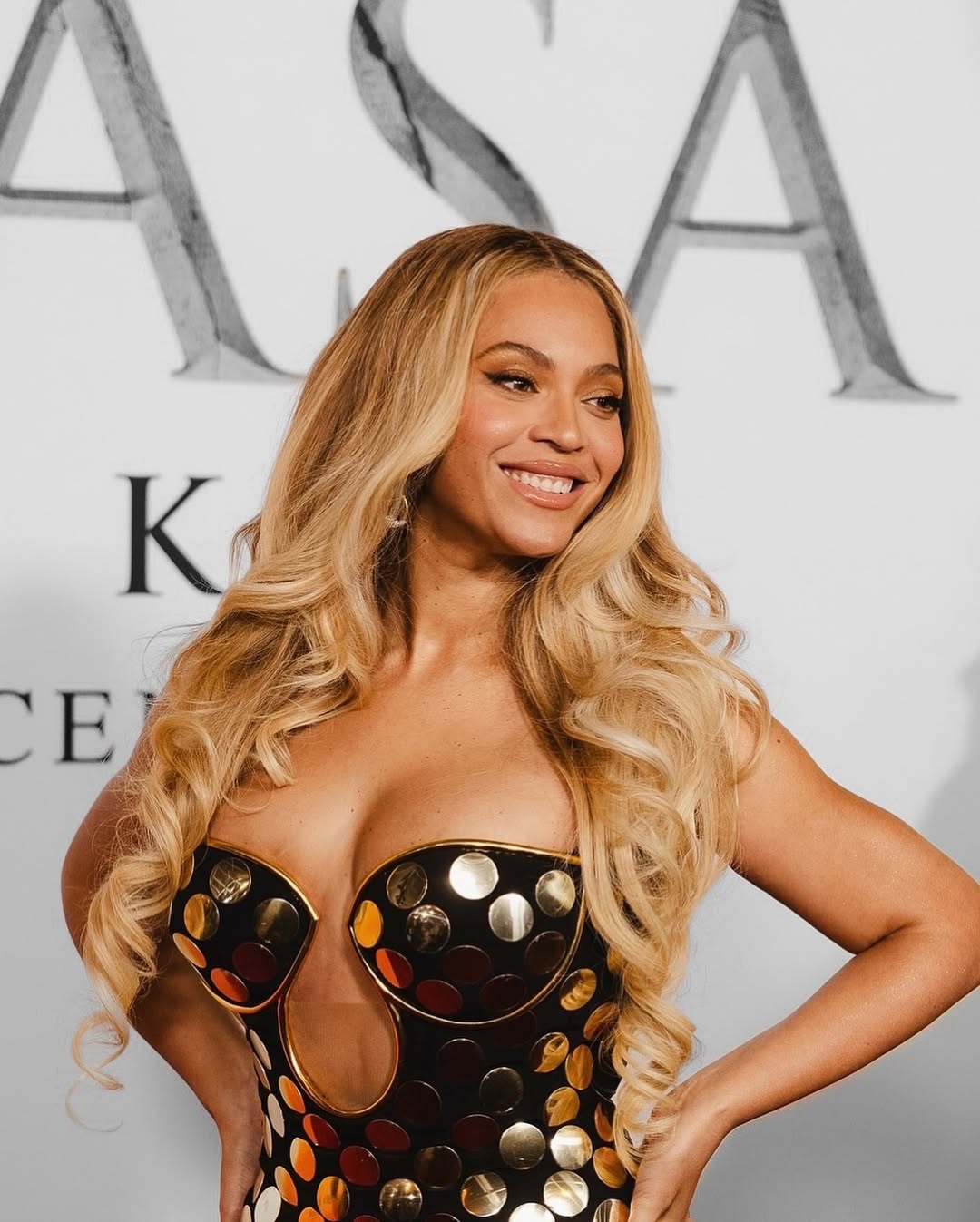
When Beyoncé stepped into country music, it didn’t feel like a crossover. It felt like a challenge.
Country has always operated with an unspoken code — a certain sound, a certain image, a certain type of artist who gets embraced without question. Beyoncé didn’t tiptoe into that space. She walked in fully formed, fully Southern, fully herself. And that’s what made people uncomfortable.
The Unwritten Rules of Country Music
Country radio and award institutions have historically favored a narrow lane. There’s a traditional formula — sonically and visually — that defines what feels “authentic.” Artists who experiment usually do it cautiously, careful not to alienate the core audience.
Beyoncé didn’t move cautiously.
She didn’t try to cosplay country or dilute her identity. Instead, she leaned into storytelling, live instrumentation, and vocal control that highlights how deeply country and soul are connected. The backlash and debate that followed weren’t just about sound. They were about who gets to belong.
A Strategic Disruption
Beyoncé understands cultural tension. She knows how to identify pressure points and apply just enough force to spark a conversation. Entering country music wasn’t random — it was intentional.
When one of the most powerful artists in the world steps into a genre that has historically been protective of its borders, it forces a reaction. Would radio embrace her? Would institutions recognize her? Would fans expand their definition of country?
Whether positive or critical, every reaction amplified the moment. Streams climbed. Discussions intensified. Country music was suddenly being examined under a brighter light.
Southern Roots, Not a Costume
There’s a detail often overlooked in the debate: Beyoncé is from Texas. The South isn’t a branding experiment for her — it’s home.
Country, gospel, blues, and R&B all grew from the same regional history. Black musicians played a foundational role in shaping early country music, even if that contribution has been minimized over time. When Beyoncé incorporates country textures, it isn’t about invasion. It’s about acknowledgment.
That context changes everything.
Why This Moment Matters
This isn’t just another genre pivot in a long career. It’s a test.
If country music embraces her, it signals growth. If it resists, it reveals the rigidity of its gatekeeping. Either outcome forces the industry to confront its boundaries.
At this stage in her career, Beyoncé doesn’t need validation from any single format. She isn’t chasing approval. She’s challenging a system to expand.
And whether country music adjusts or not, the conversation has already shifted.

How Airbnb Is Expanding Into The Global Wellness And Experience Economy

Equinox Isn’t Selling Fitness—It’s Selling Status Disguised As Health

Doctors Are Starting To Trust AI More Than Junior Physicians—And That Should Worry You

The Endgame Is Coming: Why Netflix’s Final Season of Stranger Things Is About More Than Monsters

The Rise of Perplexity AI and the New Search War Nobody Saw Coming

Jeff Bezos’ Space Logistics Empire Is the Next Billion-Dollar Playground
-
 Entertainment3 months ago
The Endgame Is Coming: Why Netflix’s Final Season of Stranger Things Is About More Than Monsters
-
 Tech3 months ago
The Rise of Perplexity AI and the New Search War Nobody Saw Coming
-
 Business3 months ago
Jeff Bezos’ Space Logistics Empire Is the Next Billion-Dollar Playground
-

 Tech3 months ago
AI Regulation Is Coming—and Big Tech Is Nervous for a Reason
-

 Entertainment3 months ago
Pedro Pascal’s Rise Wasn’t Overnight — It Was Earned
-

 Tech3 months ago
Sam Altman’s Quietest Move Might Be His Most Dangerous Yet
-

 Fashion3 months ago
Gucci’s Latest Collection Proves Luxe Streetwear Is Here to Stay
-
 Business2 months ago
Dwayne Johnson’s Studio Leverage Test: When Star Power Meets Corporate Reality