
Tech
Jensen Huang and NVIDIA’s Total Control of the AI Economy

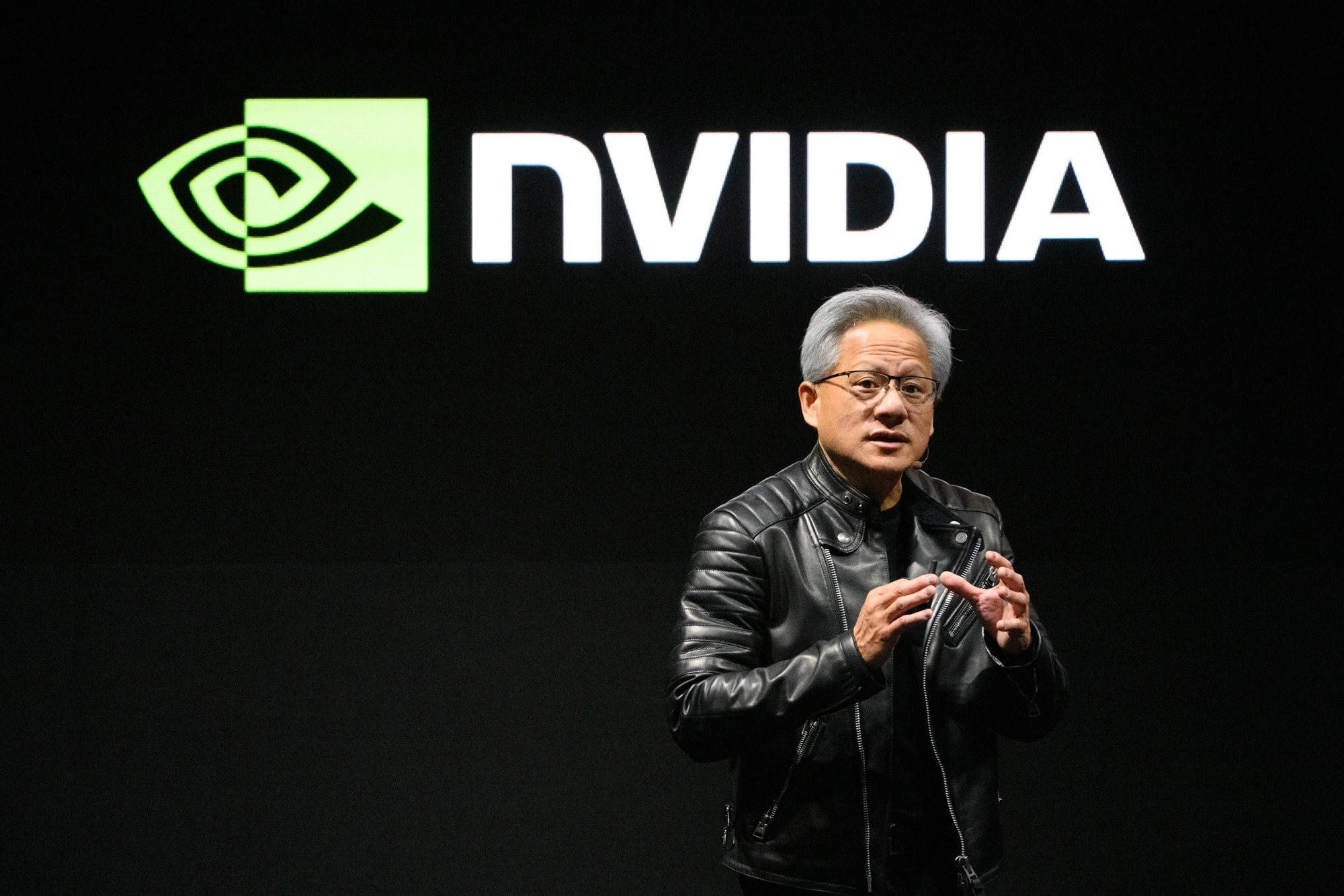
Jensen Huang doesn’t need to convince anyone that NVIDIA matters anymore. The company’s chips are now so deeply tied to the future of AI that nearly every major player — from startups to governments — depends on them. Huang didn’t stumble into this position. He built it patiently, over decades, while others chased faster wins.
Unlike tech founders who dominate headlines with big promises, Huang speaks like an engineer. His interviews are technical, restrained, almost understated. Yet behind that calm delivery is a company that holds extraordinary power. NVIDIA isn’t just selling hardware; it’s controlling access. If you want to build at scale, you need NVIDIA — and Huang knows it.
Industry insiders describe Huang as someone who thinks in systems, not cycles. While competitors rushed into trends and pivots, NVIDIA doubled down on infrastructure. That decision paid off spectacularly when AI demand exploded. Suddenly, NVIDIA wasn’t competing — it was essential.
What makes Huang especially dangerous in the tech world is that he doesn’t posture. He doesn’t need to. NVIDIA’s dominance speaks for itself, and Huang lets the dependency do the talking. In an industry addicted to hype, NVIDIA’s quiet authority feels almost unsettling. Power without noise is the hardest kind to challenge.

Lifestyle
Withings Body Scan Review & Analysis: How Smart Health Devices Are Redefining Personal Wellness

Primary Keywords: Withings Body Scan review, smart health devices, fitness tracking technology
Secondary Keywords: health monitoring tools, biohacking trends, wellness technology
Introduction: The Rise of Data-Driven Health
Health tracking has evolved significantly, moving from occasional measurements to continuous monitoring. Devices like the Withings Body Scan are leading this transformation by offering detailed insights into body composition and overall health.
From Awareness to Obsession: The Data Shift
The ability to track health metrics daily has changed how individuals approach wellness. Instead of relying on intuition, users now depend on data to guide decisions, creating a more analytical approach to personal health.
The Benefits and Risks of Constant Tracking
While access to detailed data can improve awareness and outcomes, it also introduces new challenges. Over-reliance on metrics can shift focus away from natural body signals, creating a dependency on numbers rather than balance.
Conclusion: The Future of Wellness Technology
Smart health devices are redefining personal wellness. The challenge moving forward will be balancing data-driven insights with intuitive understanding.
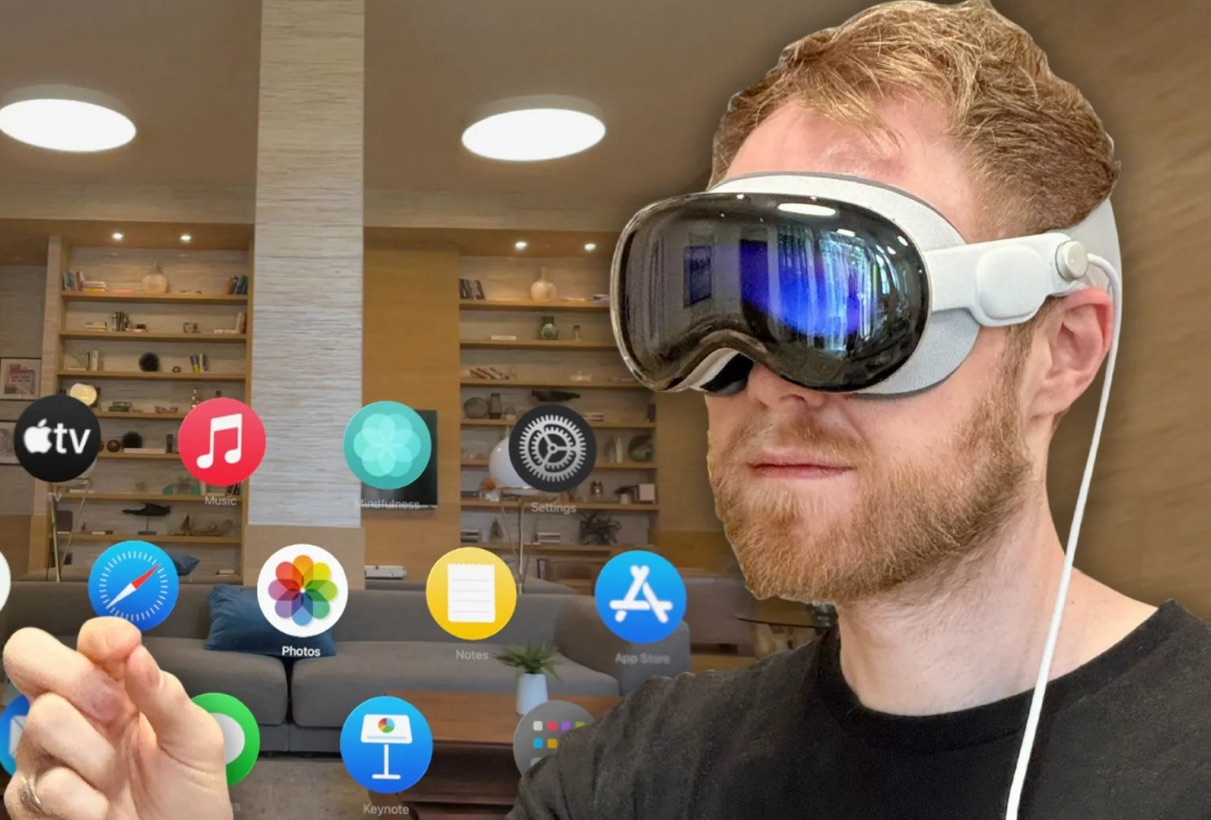
When Apple introduces a new product category, it rarely does so without a long-term strategy already in motion. The Apple Vision Pro has been positioned as a leap into spatial computing—a device that blends digital and physical environments in ways that feel almost futuristic. But history suggests that Apple’s biggest innovations are not always about the product itself, but about the behavioral shifts those products create.
At first glance, the Vision Pro appears to be about immersive experiences—entertainment, productivity, and communication reimagined in three dimensions. But beneath that surface lies a more subtle transformation: a shift away from traditional screens and toward ambient computing. Instead of interacting with a device, users begin interacting with environments. The interface disappears, and the experience becomes continuous.
This matters because it aligns with a much larger trajectory in technology. Artificial intelligence is moving toward systems that anticipate needs rather than respond to commands. For that kind of intelligence to be effective, it needs a different kind of interface—one that is always present, always aware, and seamlessly integrated into daily life. The Vision Pro may be less about replacing the iPhone and more about preparing users for a world where devices themselves become less visible.
There’s also a strategic advantage in introducing this transition gradually. Radical change is often met with resistance, but incremental shifts are easier to adopt. By positioning the Vision Pro as an optional, premium product, Apple can begin reshaping user behavior without forcing immediate adoption. Over time, those behaviors become normalized—and that’s when larger ecosystem changes become possible.
Critics may argue that the device is too early, too expensive, or too niche. But Apple has never relied on mass adoption in the early stages. Its strength lies in setting direction, not chasing volume. The first version doesn’t need to dominate the market—it needs to redefine expectations.
The real question, then, isn’t whether the Vision Pro is the future. It’s whether it’s quietly preparing users for something far bigger—an ecosystem where technology is no longer something you hold, but something you exist within.
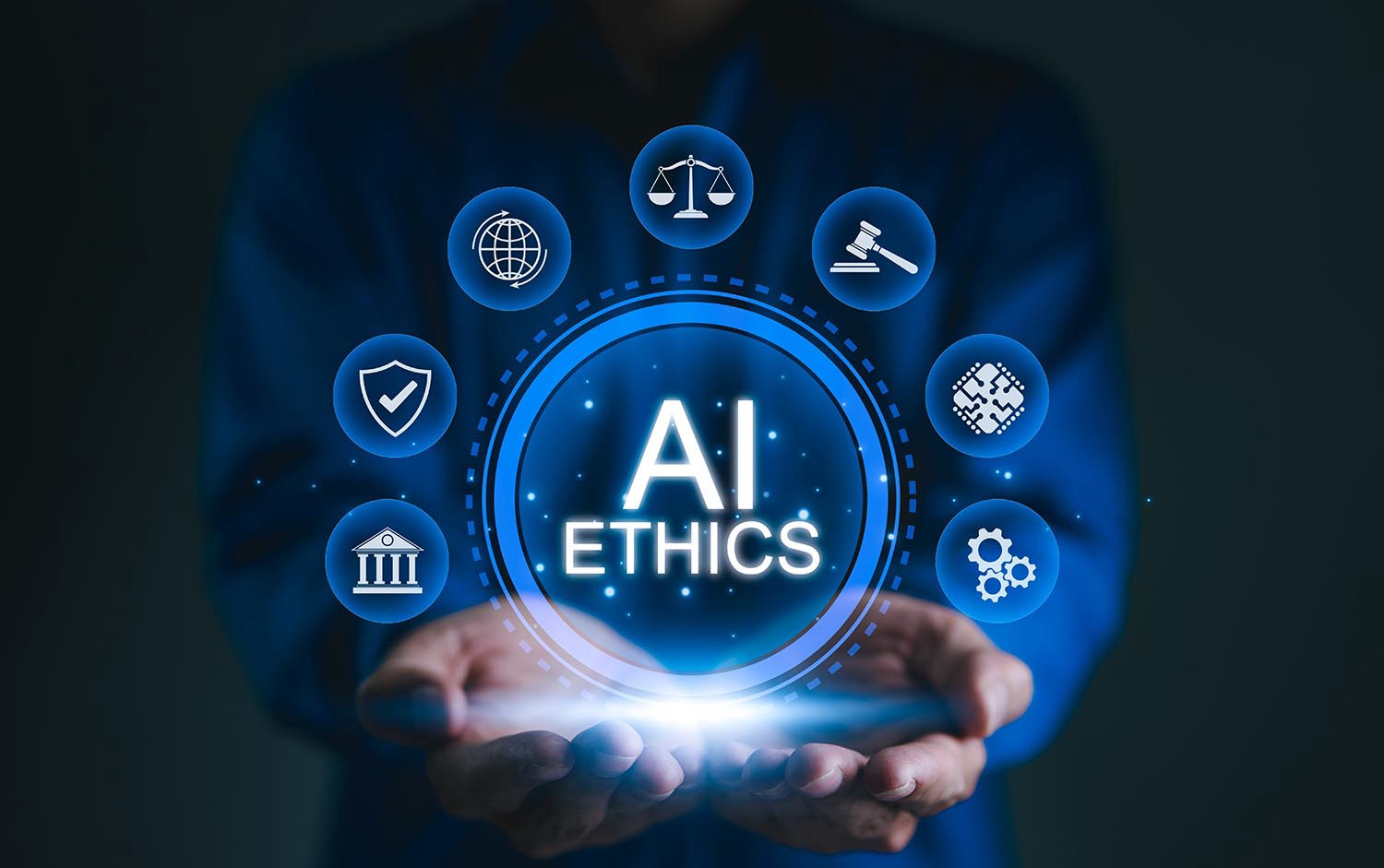
Publicly, tech leaders say they welcome AI regulation. Privately, they’re terrified.
Governments around the world are moving faster than expected, drafting rules that could limit how AI models are trained, deployed, and monetized. For companies that rushed products to market, this sudden attention feels like a threat to momentum — and profit.
The tension is obvious. Regulators argue they’re protecting jobs, privacy, and safety. Tech companies argue regulation will “slow innovation.” What both sides know but rarely say out loud is that the stakes are enormous. Whoever shapes the rules will shape the industry.
Smaller startups worry regulation will crush them before they scale. Big Tech worries it will be forced to open its black boxes. Meanwhile, users are caught in the middle, unsure whether AI is being controlled — or just rebranded as safer than it really is.
This isn’t a future problem anymore. The rules are coming. And the companies that look calm today are scrambling hardest behind the scenes.

Ziggy Zeigler set to Delivers the Performance That Could Change How America Sees Live Music Again

Amplifying Real American Voices: Julio Gonzalez’s Vision for the Future of RAV

How Airbnb Is Expanding Into The Global Wellness And Experience Economy

The Endgame Is Coming: Why Netflix’s Final Season of Stranger Things Is About More Than Monsters

Jeff Bezos’ Space Logistics Empire Is the Next Billion-Dollar Playground

The Rise of Perplexity AI and the New Search War Nobody Saw Coming
Ziggy Zeigler set to Delivers the Performance That Could Change How America Sees Live Music Again
Amplifying Real American Voices: Julio Gonzalez’s Vision for the Future of RAV
How Airbnb Is Expanding Into The Global Wellness And Experience Economy
-
 Entertainment6 months ago
The Endgame Is Coming: Why Netflix’s Final Season of Stranger Things Is About More Than Monsters
-
 Business6 months ago
Jeff Bezos’ Space Logistics Empire Is the Next Billion-Dollar Playground
-
 Tech6 months ago
The Rise of Perplexity AI and the New Search War Nobody Saw Coming
-
 Tech6 months ago
AI Regulation Is Coming—and Big Tech Is Nervous for a Reason
-

 Business5 months ago
Dwayne Johnson’s Studio Leverage Test: When Star Power Meets Corporate Reality
-

 Entertainment5 months ago
Ryan Reynolds and the Art of Backend Profits: Star Power as Equity
-

 Business5 months ago
Chris Hemsworth’s Furiosa Press Tour Sparks Hollywood and Fashion Buzz
-

 Business5 months ago
Emma Stone’s Awards Momentum: Risk‑Taking Roles Redefine Leading Ladies