
Entertainment
Blumhouse Productions Is Quietly Raking in Millions—and Hollywood Can’t Stop Watching


Blumhouse Productions has been doing its thing again, and people are noticing—quietly, in whispers, not in press releases. Sources say the studio is pulling in millions per film while other big studios scramble to figure out the formula. And the craziest part? They’re doing it with budgets smaller than what some actors spend on lunch.
The insiders say it’s not luck. It’s timing, casting, and knowing exactly what audiences want before they even know it themselves. “They can take a $5 million horror flick and turn it into $50 million,” one crew member said. “No gimmicks, no huge stars required. Just good scares and perfect timing.” Everyone in the room nods, because no one else seems to have cracked that code consistently.
Blumhouse also has this talent radar that’s insane. Writers, directors, actors—they snatch people up before anyone else notices. Rumor has it some stars have stayed loyal just because of the freedom and money they can make there. “People will literally do things they wouldn’t normally for Blumhouse,” an insider whispered, grinning. “It’s a mix of respect and fear, honestly.”
And yet, they stay invisible. No loud campaigns, no endless red carpet photos. Just results. Box office numbers quietly rolling in, award whispers, and studios elsewhere scratching their heads. Hollywood watches, the money flows, and Blumhouse keeps doing its thing like it’s some secret club everyone wants into.


Kim Petras represents a growing shift in the music industry—where sound alone is no longer the primary driver of success. Her alignment with Gucci highlights a new reality: artists are now expected to function as full-spectrum brands.
The economics of music have changed. Streaming has made distribution easier, but monetization more complex. As a result, artists are expanding beyond music into fashion, partnerships, and identity-driven branding. Petras’ approach reflects this evolution. Her music is part of the equation—but her image, collaborations, and cultural positioning are what extend her reach.
This isn’t a departure from artistry—it’s an expansion of it. In today’s landscape, the most successful artists are those who understand that influence doesn’t end with a song. It continues through every platform, partnership, and visual narrative they create.

The land acquisition approach pioneered by media entrepreneur Ted Turner is gaining renewed validation. Turner, one of the largest private landowners in the United States, focused on ranchland, conservation, and sustainable resource management long before it became fashionable.
Today, rising concerns over food security and climate resilience have placed agricultural land back in focus. Billionaires and institutional investors alike are increasing exposure to farmland as both an income-producing and appreciating asset.
Unlike speculative equities, land produces measurable output while retaining intrinsic value. Water access, soil quality, and geographic positioning have become key drivers of long-term returns.
As global uncertainty persists, the appeal of tangible, productive assets continues to grow. Turner’s early positioning now appears strategically aligned with emerging economic realities.
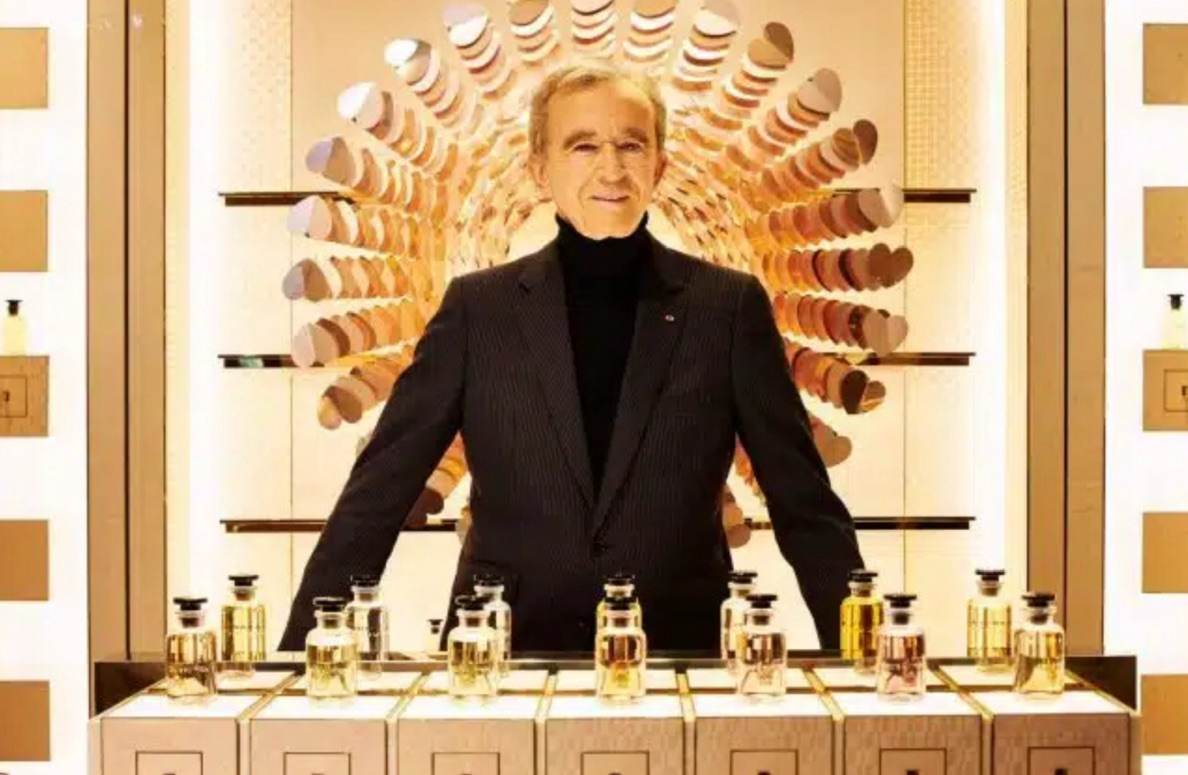
Under the leadership of Bernard Arnault, LVMH has strengthened its grip on premium wine and champagne production worldwide. Ownership of prestigious houses allows the conglomerate to control not only branding but also distribution and pricing across international markets.
This vertical integration provides resilience during volatile periods. By overseeing production, logistics, and retail positioning, LVMH maintains leverage that smaller producers cannot match.
Luxury wine has increasingly attracted investor attention as a tangible alternative asset. Limited supply, global demand, and brand prestige support long-term valuation growth, particularly in Asian and Middle Eastern markets.
Arnault’s consolidation strategy underscores a larger trend: in the luxury sector, control of the supply chain often determines long-term profitability and market dominance.

Ziggy Zeigler set to Delivers the Performance That Could Change How America Sees Live Music Again

Amplifying Real American Voices: Julio Gonzalez’s Vision for the Future of RAV

How Airbnb Is Expanding Into The Global Wellness And Experience Economy

The Endgame Is Coming: Why Netflix’s Final Season of Stranger Things Is About More Than Monsters

Jeff Bezos’ Space Logistics Empire Is the Next Billion-Dollar Playground

The Rise of Perplexity AI and the New Search War Nobody Saw Coming
Ziggy Zeigler set to Delivers the Performance That Could Change How America Sees Live Music Again
Amplifying Real American Voices: Julio Gonzalez’s Vision for the Future of RAV
How Airbnb Is Expanding Into The Global Wellness And Experience Economy
-
 Entertainment6 months ago
The Endgame Is Coming: Why Netflix’s Final Season of Stranger Things Is About More Than Monsters
-
 Business6 months ago
Jeff Bezos’ Space Logistics Empire Is the Next Billion-Dollar Playground
-
 Tech6 months ago
The Rise of Perplexity AI and the New Search War Nobody Saw Coming
-

 Tech6 months ago
AI Regulation Is Coming—and Big Tech Is Nervous for a Reason
-

 Business5 months ago
Dwayne Johnson’s Studio Leverage Test: When Star Power Meets Corporate Reality
-

 Entertainment5 months ago
Ryan Reynolds and the Art of Backend Profits: Star Power as Equity
-

 Business5 months ago
Chris Hemsworth’s Furiosa Press Tour Sparks Hollywood and Fashion Buzz
-

 Business5 months ago
Emma Stone’s Awards Momentum: Risk‑Taking Roles Redefine Leading Ladies