
Business
Rare Watches Become the New Asset Class for the Ultra-Wealthy


In the rarefied world of the ultra-wealthy, luxury watches are no longer just status symbols—they’re increasingly treated as alternative investments. Collectors and family offices are pouring money into timepieces from iconic brands like Patek Philippe, Rolex, and Audemars Piguet, viewing them as portable assets that combine craftsmanship, scarcity, and long-term value.
The shift has been fueled by record-breaking auctions and a booming secondary market. Rare vintage models are now selling for millions, turning watch collecting into a serious financial arena for hedge-fund managers, tech billionaires, and luxury investors.
One striking example is a rare Patek Philippe Ref. 2523 world-time watch, which is expected to fetch over $5 million at auction due to its extreme rarity and historical importance. Only a handful of these watches exist globally, making them highly coveted by collectors competing for museum-level pieces.
The appeal goes beyond prestige. Unlike stocks or real estate, rare watches are highly portable stores of value that can move easily across borders. For global investors, that portability makes high-end horology particularly attractive during uncertain economic periods.
Luxury watch collecting has also evolved into a cultural ecosystem of private dealers, invitation-only auctions, and exclusive collector communities. In cities like Geneva, Dubai, Hong Kong, and New York, rare watch trading has become a quiet but powerful segment of the luxury economy.
For the ultra-rich, the logic is simple: a rare watch can be worn, admired, and displayed—while simultaneously appreciating in value. In a world where wealth preservation is just as important as wealth creation, horology has quietly become one of the most fascinating asset classes on the planet.

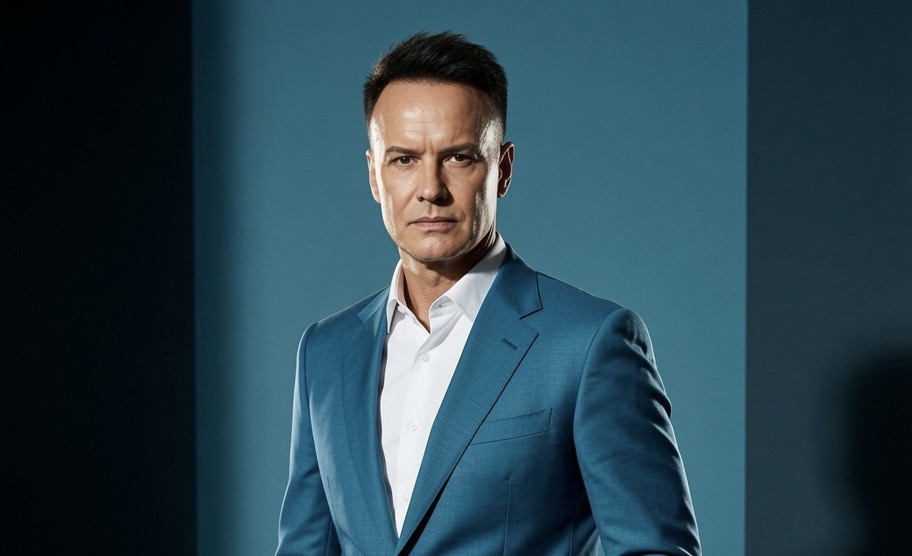
In March 2026, Julio González was appointed President of Real America’s Voice en Español (RAV Español). A nationally recognized entrepreneur, tax strategist, and advocate for minority business owners, González now leads one of the fastest-growing Spanish-language media platforms in the United States — a role that extends his lifelong mission of empowerment into the powerful arena of media and storytelling.
Building Wealth and Opportunity Through Tax Strategy
For more than 25 years, González has helped businesses and entrepreneurs transform tax planning from a compliance obligation into a strategic tool for wealth creation and long-term growth. In 2001, he founded Engineered Tax Services (ETS) in West Palm Beach, Florida, with a clear vision: bringing engineers, CPAs, and tax professionals together to uncover opportunities hidden within the tax code. Under his leadership, ETS has grown into one of the nation’s leading specialty tax firms, delivering more than $2 billion in tax savings for clients across the country through strategies such as Cost Segregation, Bonus Depreciation, Opportunity Zones, Energy Incentives, and advanced tax planning.

A Natural Transition to Media Leadership
González is also the author of Why Billionaires Love the Tax Code and The Grant Equality Blueprint. His contributions have earned him numerous accolades, including recognition as one of the “10 Most Inspiring CEOs,” along with honors from the Florida RED Awards, the National Minority Business Council, the Florida State Hispanic Chamber of Commerce, and the Hispanic 100 Foundation’s American Legacy of Excellence in Business Award. This proven track record of helping people build and protect wealth made him a natural choice to lead RAV Español.
“I am deeply honored to serve as President of Real America’s Voice en Español,” said Julio González. “This platform gives us a powerful opportunity to amplify authentic voices from the Hispanic community — voices rooted in hard work, faith, family, and the unshakable belief that the American Dream remains alive and achievable for those who pursue it with determination and integrity.”
Amplifying Real American Voices
As President of RAV Español, González is focused on delivering news, analysis, and commentary that resonates with Spanish-speaking audiences while staying true to the core values of freedom, faith, opportunity, and the American Dream. His leadership comes at a pivotal time as the network expands its programming and reach across digital platforms.
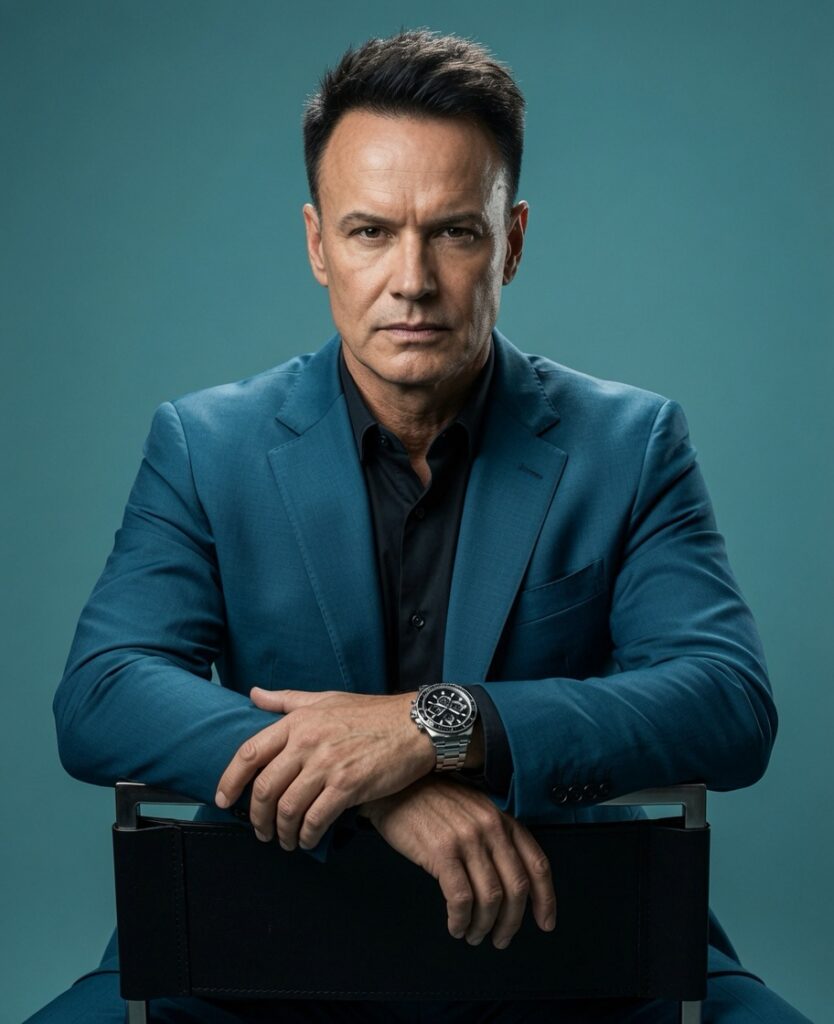
- Connecting economic empowerment with cultural storytelling that reflects the real experiences of Hispanic Americans
- Providing trusted content that educates, inspires action, and strengthens community pride
- Bridging business success with media influence to give underrepresented voices a national platform
- Expanding access to news and perspectives rooted in American values on YouTube, Rumble, and dedicated digital channels
“Julio brings an extraordinary combination of proven business leadership, policy insight, and genuine connection to the Hispanic community,” said Parker Sigg, Vice President of Real America’s Voice at Performance One Media. “His track record of helping entrepreneurs turn complex challenges into opportunities for growth makes him the ideal leader to expand RAV Español’s reach and strengthen its impact at this important time.”

Through his work at both Engineered Tax Services and now RAV Español, Julio González continues to champion one powerful idea: when people are given the right tools, knowledge, and voice, they can build stronger futures for themselves, their families, and their communities.
Credits: The KR Media Group.
Media Contact
Company: Engineered Tax Services
Contact Person: Julio Gonzalez
(E) mail: info@engineeredtaxservices.com
Website: https://engineeredtaxservices.com
City: West Palm Beach
State: Florida
Country: USA

Airbnb is evolving beyond its original purpose as a lodging platform, positioning itself within the broader experience economy. By integrating curated stays, local activities, and wellness-focused offerings, it is redefining how people engage with travel.
This shift aligns with changing consumer priorities. Travelers are no longer just seeking accommodation—they are seeking meaningful experiences. Wellness retreats, immersive cultural activities, and personalized stays are becoming key drivers of demand.
Airbnb’s strategy reflects an understanding that value in travel is increasingly tied to experience rather than location alone. As this trend continues, platforms that can deliver both convenience and emotional engagement will shape the future of the industry.

The resurgence of bold, expressive beauty trends in 2026 may appear innovative—but much of it is rooted in repetition. Shows like Euphoria have reintroduced aesthetics that have existed for decades, reframing them through modern storytelling and visual culture.
What’s changed isn’t the trend—it’s the presentation. Social media amplification, influencer culture, and high-production visuals have transformed familiar styles into viral moments. Glitter, dramatic eyeliner, and experimental looks are not new concepts; they’re rebranded experiences.
This pattern reveals a deeper industry truth: innovation is often less about creating something new and more about repositioning what already exists. In a content-driven world, the brands and creators who succeed are those who can make the familiar feel original again.

Ziggy Zeigler set to Delivers the Performance That Could Change How America Sees Live Music Again

Amplifying Real American Voices: Julio Gonzalez’s Vision for the Future of RAV

How Airbnb Is Expanding Into The Global Wellness And Experience Economy

The Endgame Is Coming: Why Netflix’s Final Season of Stranger Things Is About More Than Monsters

Jeff Bezos’ Space Logistics Empire Is the Next Billion-Dollar Playground

The Rise of Perplexity AI and the New Search War Nobody Saw Coming
Ziggy Zeigler set to Delivers the Performance That Could Change How America Sees Live Music Again
Amplifying Real American Voices: Julio Gonzalez’s Vision for the Future of RAV
How Airbnb Is Expanding Into The Global Wellness And Experience Economy
-
 Entertainment6 months ago
The Endgame Is Coming: Why Netflix’s Final Season of Stranger Things Is About More Than Monsters
-
 Business6 months ago
Jeff Bezos’ Space Logistics Empire Is the Next Billion-Dollar Playground
-
 Tech6 months ago
The Rise of Perplexity AI and the New Search War Nobody Saw Coming
-

 Tech6 months ago
AI Regulation Is Coming—and Big Tech Is Nervous for a Reason
-

 Business5 months ago
Dwayne Johnson’s Studio Leverage Test: When Star Power Meets Corporate Reality
-

 Entertainment5 months ago
Ryan Reynolds and the Art of Backend Profits: Star Power as Equity
-

 Business5 months ago
Chris Hemsworth’s Furiosa Press Tour Sparks Hollywood and Fashion Buzz
-

 Business5 months ago
Emma Stone’s Awards Momentum: Risk‑Taking Roles Redefine Leading Ladies