
Fashion
Victoria Beckham Going To Gap Isn’t Expansion—It’s A Reality Check For Luxury

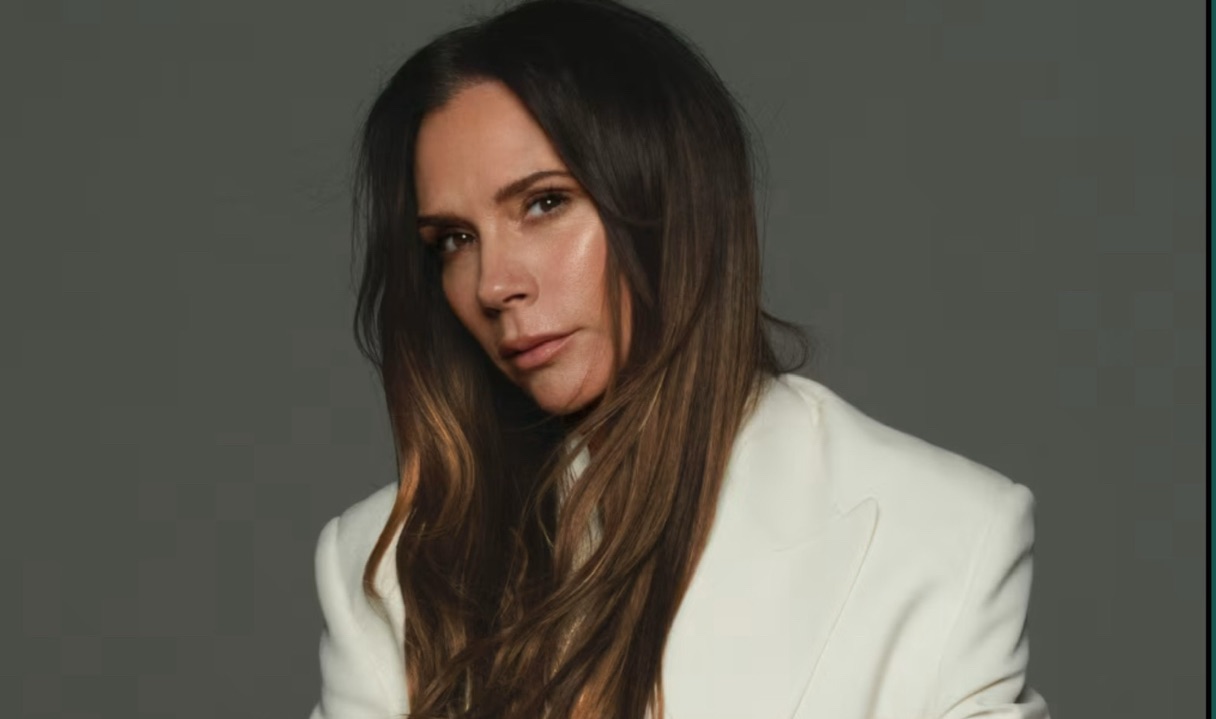
When Victoria Beckham collaborates with Gap, the headline may read like a strategic partnership—but the subtext tells a more revealing story. Luxury fashion, once defined by exclusivity and distance from mass markets, is quietly confronting a new reality: scale now matters as much as status.
For decades, luxury brands thrived on scarcity. The less accessible they were, the more desirable they became. But today’s consumer landscape is fundamentally different. Digital exposure has flattened the hierarchy—consumers are more informed, more selective, and less willing to pay premiums without perceived value. Beckham’s move signals a shift from maintaining distance to building reach. It’s not about lowering standards; it’s about staying visible in a market where attention moves faster than tradition.
The real takeaway isn’t about one designer—it’s about an industry recalibrating its identity. Luxury can no longer rely solely on aspiration; it must also deliver accessibility without losing credibility. Brands that fail to strike that balance risk becoming culturally irrelevant, regardless of heritage.

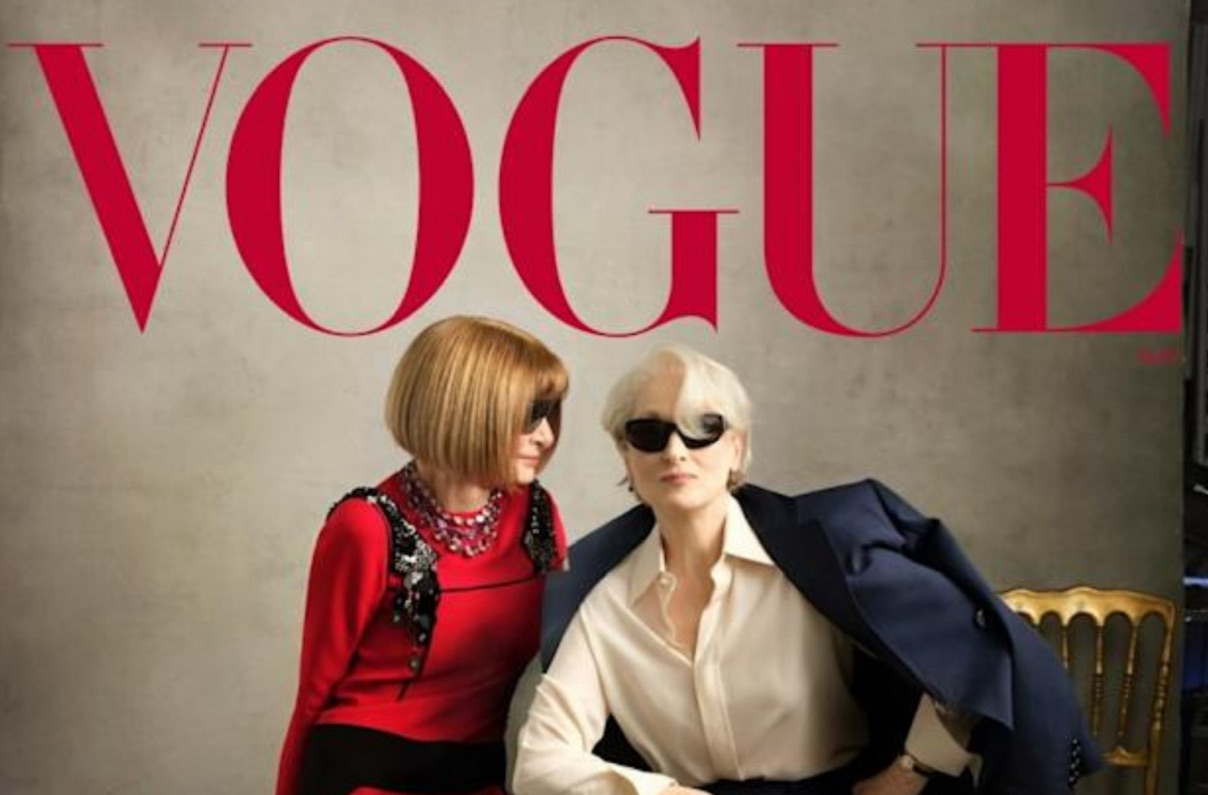
When Anna Wintour appears on the cover of Vogue, it challenges traditional expectations of editorial hierarchy. Editors have historically shaped narratives from behind the scenes—but this move places the authority figure at the center of the story.
The timing is significant. As traditional media competes with digital platforms, maintaining relevance requires visibility. Wintour’s presence on the cover is not just symbolic—it’s strategic positioning in an era where influence is increasingly tied to personal brand equity.
This reflects a broader transformation within media. Authority is no longer defined solely by control over platforms—it’s reinforced through direct engagement with audiences. In that sense, the cover is less about legacy and more about adaptation.
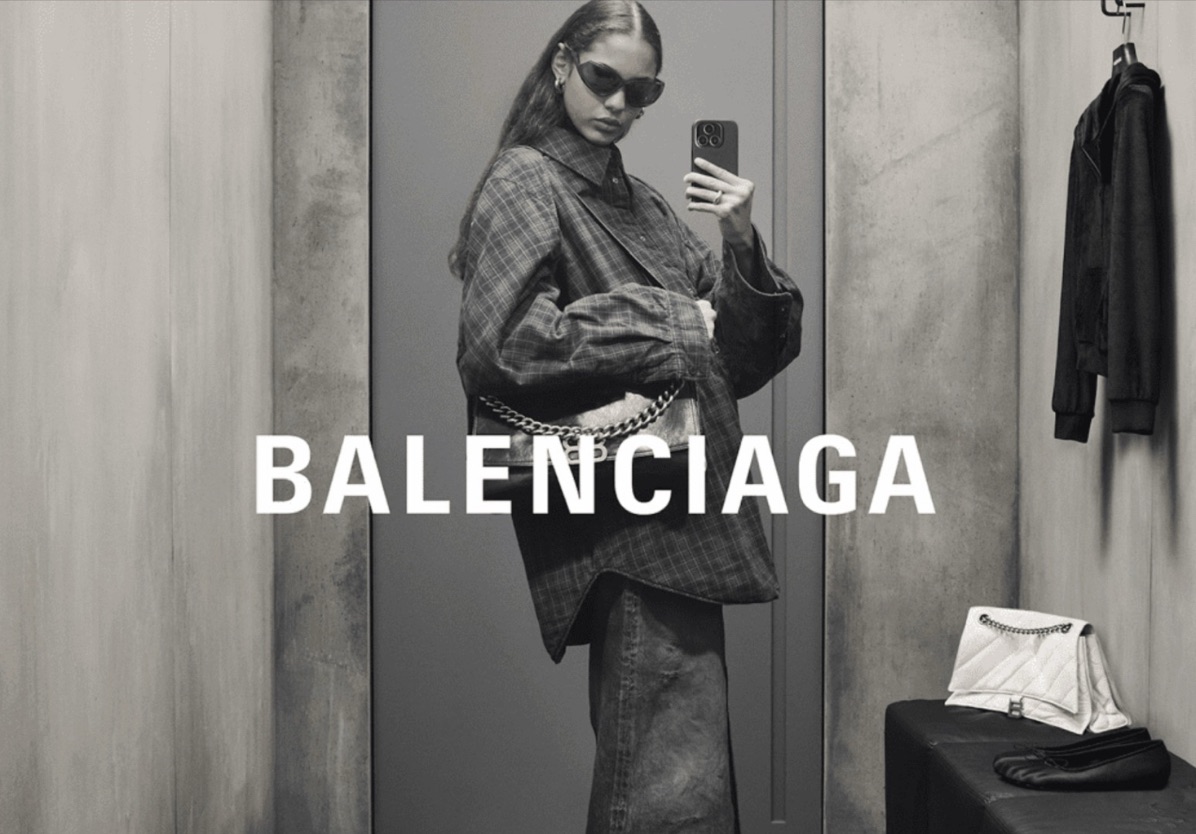
For decades, luxury fashion operated within a clearly defined framework—heritage, craftsmanship, exclusivity, and a sense of distance from mainstream culture. Brands were built slowly, often over generations, and their value was tied as much to history as it was to design. But in recent years, that structure has begun to erode. And few brands have exposed that shift as clearly as Balenciaga.
What makes Balenciaga different isn’t just its design language—it’s its understanding of modern attention. In an era where visibility is currency, the brand has mastered the ability to stay at the center of conversation, regardless of whether the reaction is positive or critical. Campaigns spark debate. Collections divide opinion. Yet the outcome remains the same: relevance. In a digital-first world, relevance drives traffic, and traffic drives sales.
This doesn’t mean craftsmanship has disappeared—but it’s no longer the primary driver of success. The industry has quietly shifted from product-first to narrative-first. The story around a brand—its positioning, its controversies, its cultural alignment—now holds as much weight as the product itself. Balenciaga operates at that intersection, where fashion becomes less about clothing and more about influence.
There’s also a generational factor at play. Younger consumers don’t view luxury the same way previous generations did. They are less concerned with legacy and more interested in identity. They want brands that reflect how they see the world, even if that reflection is uncomfortable or provocative. Balenciaga’s willingness to challenge norms resonates in a way that traditional luxury often cannot.
The uncomfortable reality for the industry is this: Balenciaga didn’t break the rules—it revealed that the rules had already changed. Heritage alone is no longer enough. In a landscape shaped by social media, rapid cycles, and cultural volatility, the brands that succeed are the ones that adapt fastest, not the ones that preserve the past most carefully.
Luxury isn’t disappearing—but it is evolving. And if Balenciaga is any indication, the future of fashion won’t be defined by what is traditionally considered “good taste.” It will be defined by what captures attention, shapes conversation, and ultimately, controls culture.
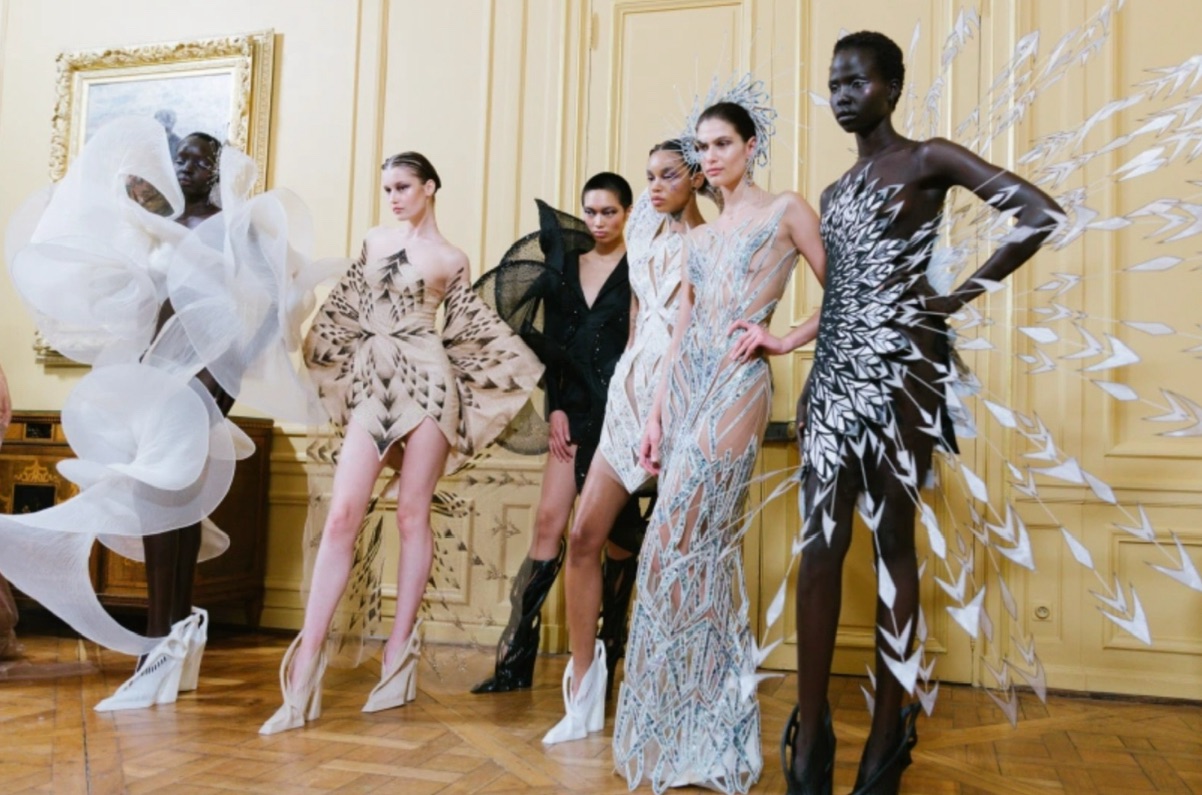
In an age dominated by mass production, bespoke tailoring represents the ultimate expression of individuality. For the world’s wealthiest individuals, custom clothing has returned as a symbol of authority and refinement.
The bespoke process itself is deeply personal. Tailors measure clients across dozens of dimensions, crafting garments that can take months to complete. The final result is a suit or gown that exists nowhere else in the world.
Luxury houses have leaned into this renewed interest in craftsmanship, expanding their made-to-measure services for elite clients. High-net-worth individuals increasingly seek garments that reflect personal identity rather than seasonal trends.
In elite social circles, the message is clear: true luxury is not about owning what everyone else has—it’s about wearing something nobody else can.

Ziggy Zeigler set to Delivers the Performance That Could Change How America Sees Live Music Again

Amplifying Real American Voices: Julio Gonzalez’s Vision for the Future of RAV

How Airbnb Is Expanding Into The Global Wellness And Experience Economy

The Endgame Is Coming: Why Netflix’s Final Season of Stranger Things Is About More Than Monsters

Jeff Bezos’ Space Logistics Empire Is the Next Billion-Dollar Playground

The Rise of Perplexity AI and the New Search War Nobody Saw Coming
Ziggy Zeigler set to Delivers the Performance That Could Change How America Sees Live Music Again
Amplifying Real American Voices: Julio Gonzalez’s Vision for the Future of RAV
How Airbnb Is Expanding Into The Global Wellness And Experience Economy
-
 Entertainment6 months ago
The Endgame Is Coming: Why Netflix’s Final Season of Stranger Things Is About More Than Monsters
-
 Business6 months ago
Jeff Bezos’ Space Logistics Empire Is the Next Billion-Dollar Playground
-
 Tech6 months ago
The Rise of Perplexity AI and the New Search War Nobody Saw Coming
-

 Tech6 months ago
AI Regulation Is Coming—and Big Tech Is Nervous for a Reason
-

 Business5 months ago
Dwayne Johnson’s Studio Leverage Test: When Star Power Meets Corporate Reality
-

 Entertainment5 months ago
Ryan Reynolds and the Art of Backend Profits: Star Power as Equity
-

 Business5 months ago
Chris Hemsworth’s Furiosa Press Tour Sparks Hollywood and Fashion Buzz
-

 Business5 months ago
Emma Stone’s Awards Momentum: Risk‑Taking Roles Redefine Leading Ladies